Introduction
A water sample is not simply “good” or “bad.”
Its quality depends on its source, intended use and the parameters being investigated.
Drinking water, groundwater, process water, cooling water and industrial effluent can have completely different testing requirements. Selecting an inappropriate test package—or collecting a sample that does not represent the source—can make an otherwise professional laboratory report less useful.
That is why water and wastewater testing should begin with a clear understanding of what is being tested, why it is being tested and which parameters are relevant.
DUCOM (Pvt) Ltd. provides water and wastewater testing covering drinking water, groundwater, surface water, process water and industrial effluent.
What Is Water Quality Testing?
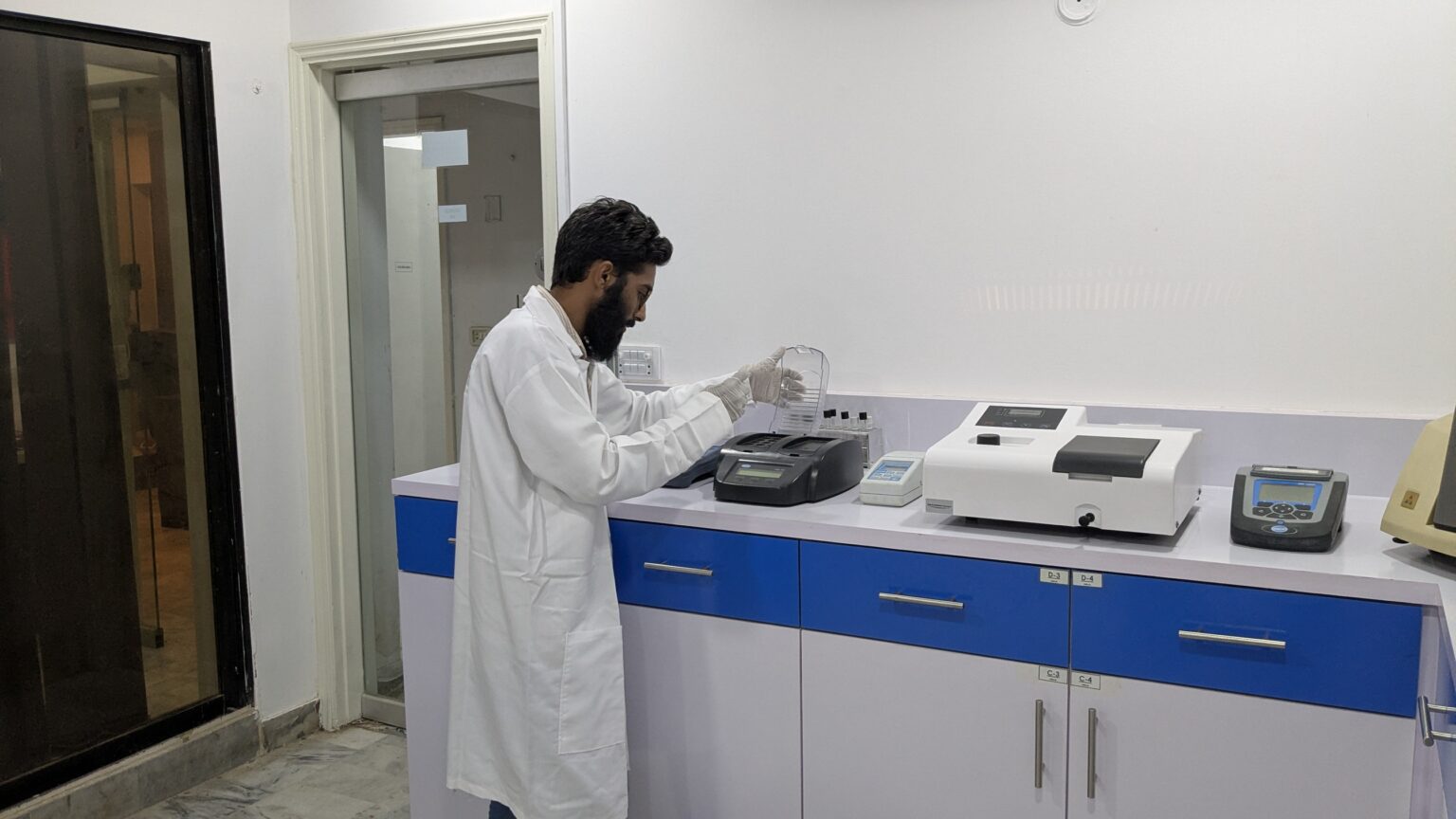
Water-quality testing involves measuring physical, chemical and/or microbiological characteristics of water.
The testing program may be designed to:
- Assess drinking-water quality
- Establish environmental baseline conditions
- Evaluate groundwater or surface water
- Monitor industrial process water
- Assess wastewater
- Evaluate treated effluent
- Support environmental compliance
There is no universal test package suitable for every application.
Key Water and Wastewater Parameters
1. pH
pH indicates whether water is acidic, neutral or alkaline.
It is one of the fundamental parameters measured in many water-quality investigations.
2. Total Dissolved Solids — TDS
TDS represents dissolved substances in water.
It can be relevant to potable-water assessment, process-water monitoring and other industrial applications.
3. Biochemical Oxygen Demand — BOD
BOD is associated with the amount of oxygen required for the biological breakdown of biodegradable organic matter.
It is an important parameter in wastewater assessment.
4. Chemical Oxygen Demand — COD
COD provides information about the oxygen demand associated with chemically oxidizable substances.
It is widely used when evaluating industrial wastewater and treatment performance.
5. Heavy Metals
Industrial processes can potentially introduce metals into wastewater or surrounding environmental media.
Laboratory analysis can determine concentrations of relevant metals.
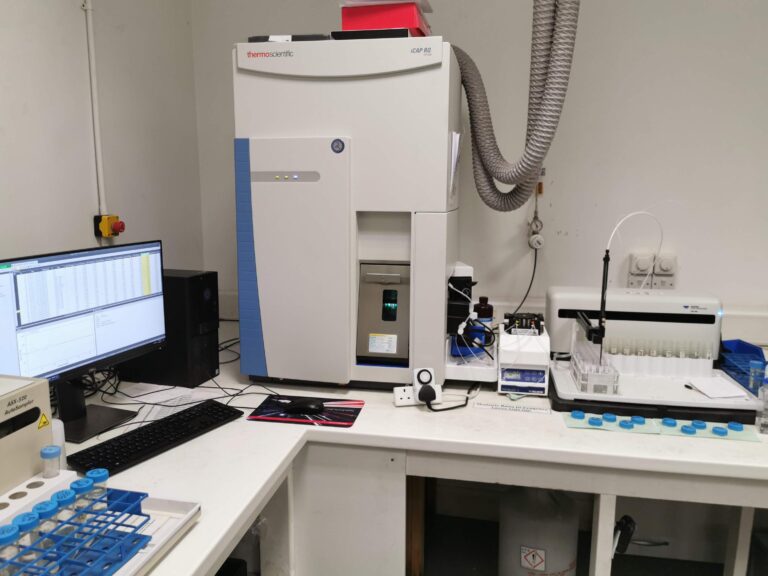
DUCOM identifies ICP-based heavy-metal analysis and references USEPA Method 200.7 for this application.
6. Coliforms
Coliform analysis can provide microbiological information about water quality.
It is particularly relevant in applications involving water intended for human consumption and other microbiological assessments.
7. E. coli
E. coli testing is another important microbiological analysis for relevant water-quality applications.
DUCOM identifies coliform and E. coli testing using APHA methodology.
Testing Different Types of Water
Drinking and Potable Water
Drinking-water testing can involve physical, chemical and microbiological parameters.
The appropriate analytical package should be selected according to the intended use and applicable requirements.
DUCOM identifies drinking and potable-water testing against NEQS and WHO requirements within its service portfolio.
Groundwater
Groundwater monitoring can be used for baseline studies, environmental assessment and ongoing monitoring.
The parameters should be selected according to the project objectives and environmental conditions.
Surface Water
Surface-water testing can help characterize rivers, lakes, canals, reservoirs or other relevant water bodies.
It may form part of an environmental baseline or monitoring program.
Process Water
Industrial facilities may require analysis of process water used in manufacturing or utility systems.
DUCOM identifies cooling, boiler and feed-water analysis within its process-water services.
Industrial Wastewater and Effluent Testing
Industrial wastewater can vary significantly between sectors.
Textile effluent, pharmaceutical wastewater and refinery-related wastewater may contain very different contaminants.
DUCOM’s profile identifies industrial and textile effluent characterization, along with pharmaceutical and refinery applications involving parameters such as APIs, TPH, BTEX, phenols and heavy metals.
This illustrates an important principle:
The industry and production process should influence the test program.
ETP Monitoring
An Effluent Treatment Plant (ETP) is designed to treat wastewater before discharge or other intended handling.
Testing can be performed at different points to understand treatment performance.
A simplified monitoring sequence is:
Influent → Treatment → Treated Effluent → Laboratory Analysis → Evaluation
Comparing results before and after treatment can provide useful information about changes in wastewater characteristics.
DUCOM identifies pre- and post-treatment ETP monitoring for NEQS compliance verification within its service portfolio.
Why Sampling Matters
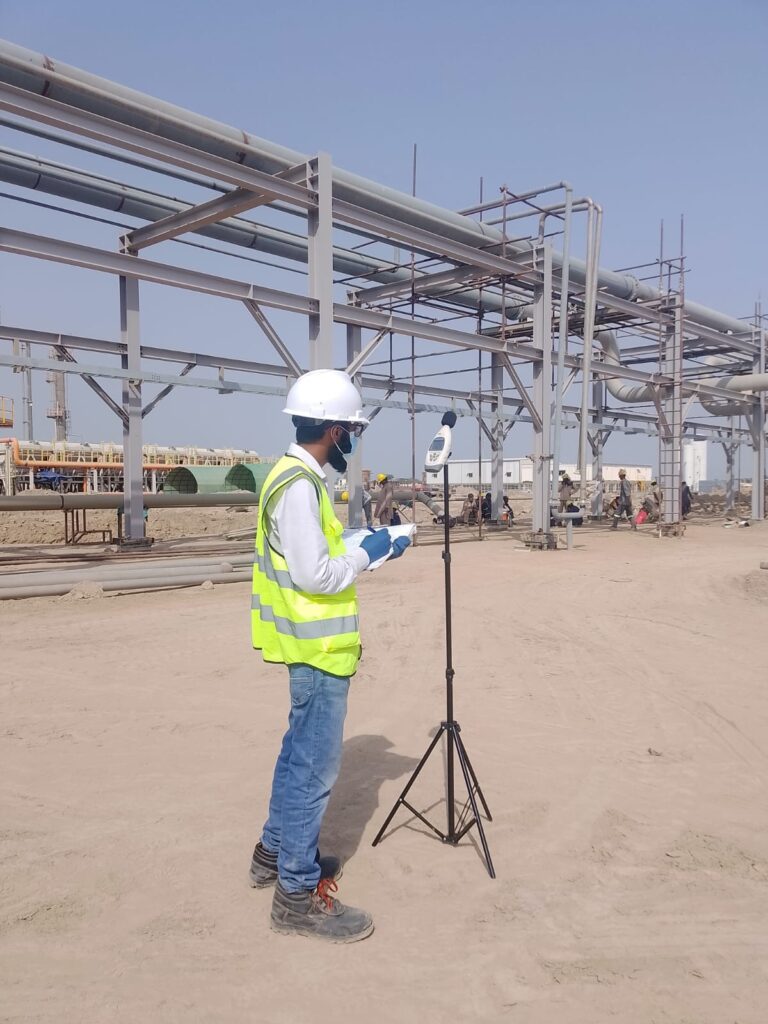
Even an advanced laboratory cannot compensate for an unsuitable sample.
A reliable water-testing program should consider:
- Correct sampling location
- Appropriate sampling container
- Sample volume
- Preservation
- Transportation
- Holding time
- Required parameters
- Documentation
The objective is to ensure that the laboratory receives a sample that reasonably represents the source being investigated.
Laboratory Methods
DUCOM’s profile identifies APHA and USEPA methodologies for specific water-testing applications.
For example:
| Parameter | Referenced Method in DUCOM Profile |
|---|---|
| pH / TDS / BOD / COD | APHA 4500 / 5210 |
| Heavy Metals | USEPA 200.7 |
| Coliforms / E. coli | APHA 9222 |
The exact method should always be selected according to the specific parameter, sample matrix and applicable testing requirement.
How Often Should Water Be Tested?
There is no single testing frequency suitable for every facility.
Frequency may depend on:
- Type of water
- Industrial process
- Regulatory requirements
- Environmental risk
- Previous analytical results
- Treatment-system performance
- Monitoring objectives
A facility should therefore develop its testing schedule according to its specific requirements rather than relying on a generic frequency.
Industries That May Require Water Testing
Water and wastewater analysis can be relevant to:
- Textile manufacturing
- Food and beverage
- Pharmaceutical facilities
- Oil & gas
- Refineries
- Power generation
- Manufacturing
- Construction and development projects
DUCOM identifies oil & gas, power generation, textile, food & beverage and pharmaceutical sectors among the industries it serves.
How to Select a Water Testing Laboratory
Consider:
Technical capability
Can the laboratory perform the required parameters?
Appropriate methodology
Are recognized analytical methods used?
Sampling capability
Can the laboratory support field sampling where required?
Quality system
Does the laboratory operate under an appropriate quality framework?
Reporting
Are results clearly documented and traceable?
DUCOM identifies ISO 9001:2015 registration and SEPA environmental laboratory certification, with its SEPA scope including effluent, water, stack emissions, air and noise.
Frequently Asked Questions
What parameters are commonly tested in wastewater?
Common parameters can include pH, TDS, BOD, COD, heavy metals and microbiological parameters, while industrial applications may require additional analytes.
Is BOD the same as COD?
No. They represent different analytical measurements and should not be treated as interchangeable.
Should treated wastewater also be tested?
Where treatment performance or compliance needs to be evaluated, testing treated effluent can provide important analytical information.
Can one test package be used for every industry?
No. Testing requirements should reflect the water source, industrial process, environmental objectives and applicable requirements.
DUCOM Water & Wastewater Testing
DUCOM (Pvt) Ltd. provides analytical testing for drinking water, groundwater, surface water, process water and industrial effluent, including physical, chemical, heavy-metal and microbiological testing.
Contact DUCOM for water quality analysis, industrial effluent testing and wastewater monitoring services.